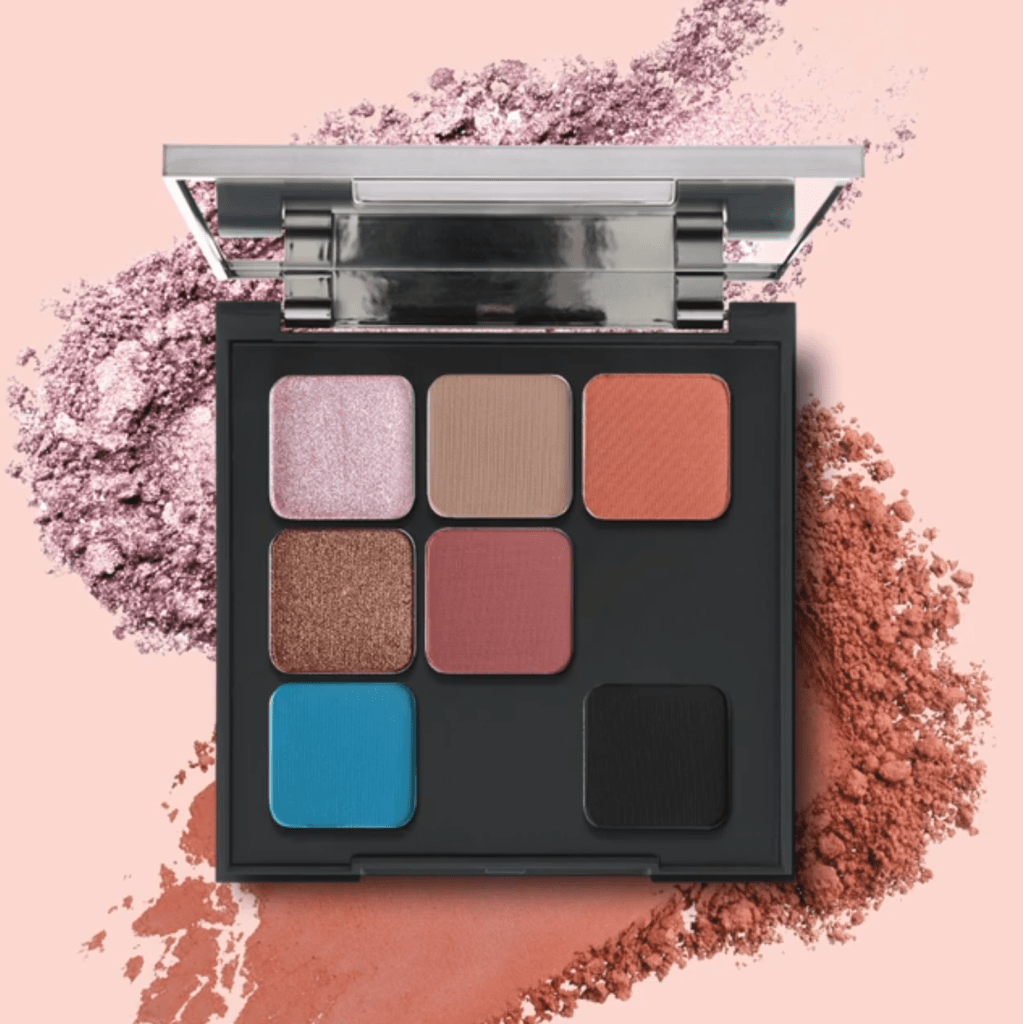
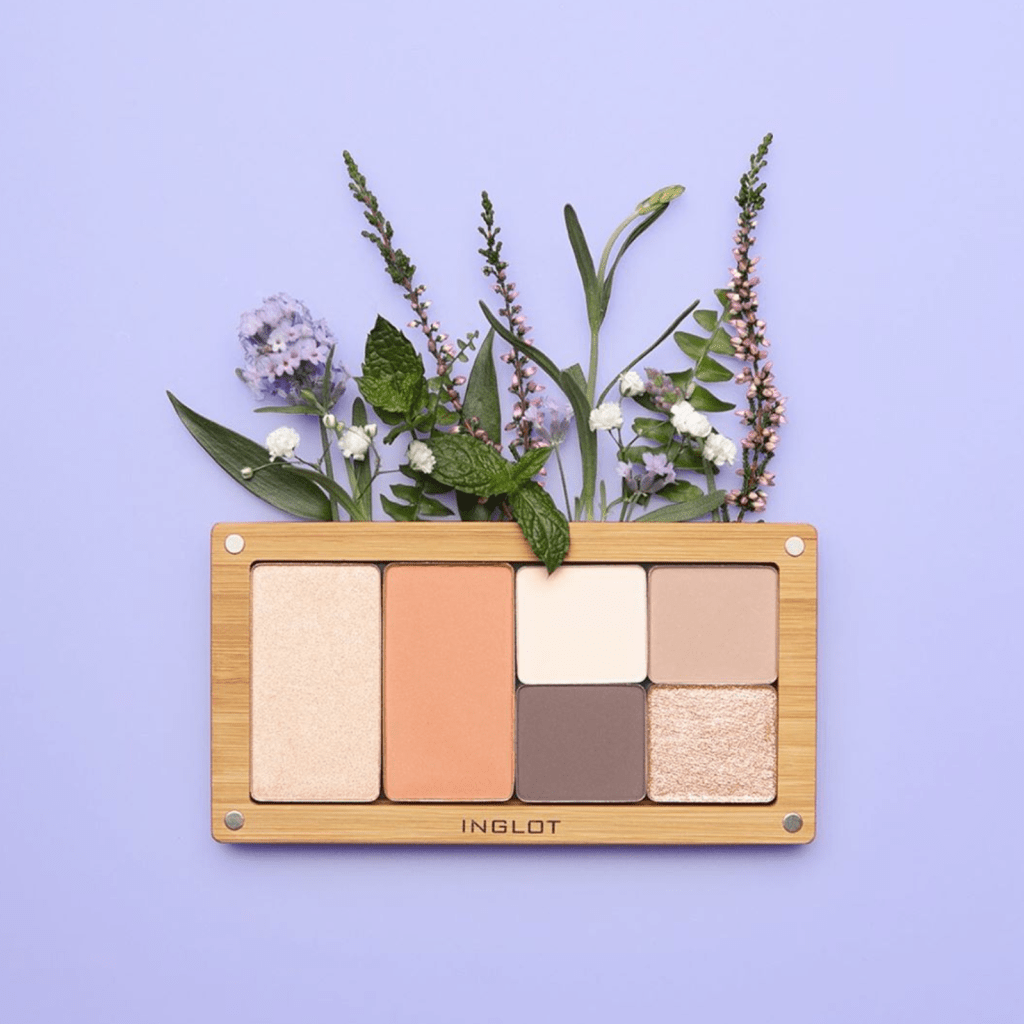
The concept of modular design has always interested me. I like that the modules fit together neatly and are aligned. I also like the fact that you can interchange the modules and create your own configurations. I had first thought of modular makeup when I discovered the brand Jouer. At the time I discovered Jouer, their packaging was modular.


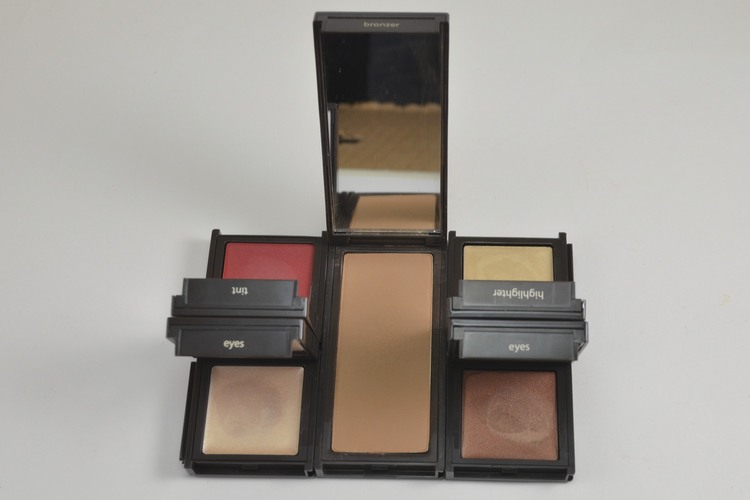
I don’t actually know how common knowledge this was within the beauty community that Jouer had interlocking packaging but I think they executed the concept well at the time. The long pans were 2x the length of the square pans. The liquid lipsticks and mascara was also the same length as the long pans. I also liked that they managed to make the liquid lipsticks and mascaras interlocked into the system as well. This meant you could essentially carry around a nice rectangle, full face palette that was connected together. Jouer also managed to add in some Lego design into the packaging to allow for compacts to be stacked.

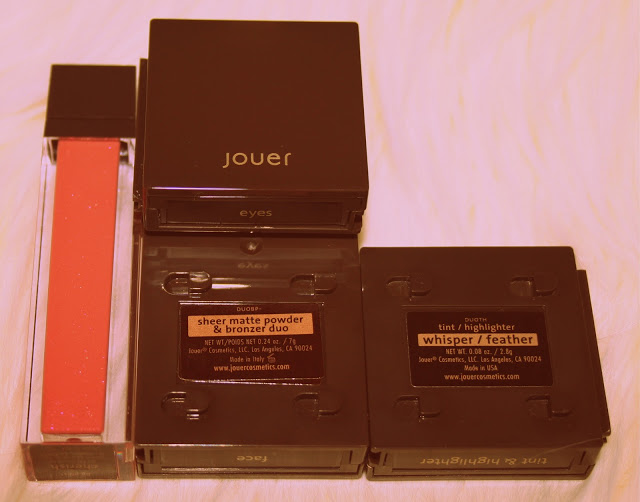
The geometry of the interlocking system was basically the shapes you see in jigsaw puzzles but if you turned the jigsaw piece into a long 3D shape? A rail and slider? Probably easier to understand with some images…

Hopefully that makes a bit more sense. This leads me to what I dislike about the packaging. The geometry used for the interlocking system creates extrudes that stick out the side and made the compacts feel and look bulky. It’s not something you want in your makeup packaging and most likely not the aesthetic makeup companies want to exude which is why I assumed Jouer has redesigned their packaging to be less bulky and look more sleek. This is at the expense of their interlocking system, but again I’m not sure how many people were actually aware of that so it probably wasn’t a major loss for Jouer customers. Jouer have also come out with more products that really wouldn’t suit an interlocking system. They did keep the liquid lipstick packaging the same though, possibly because of tooling or the packaging wasn’t that bulky for what the product is.

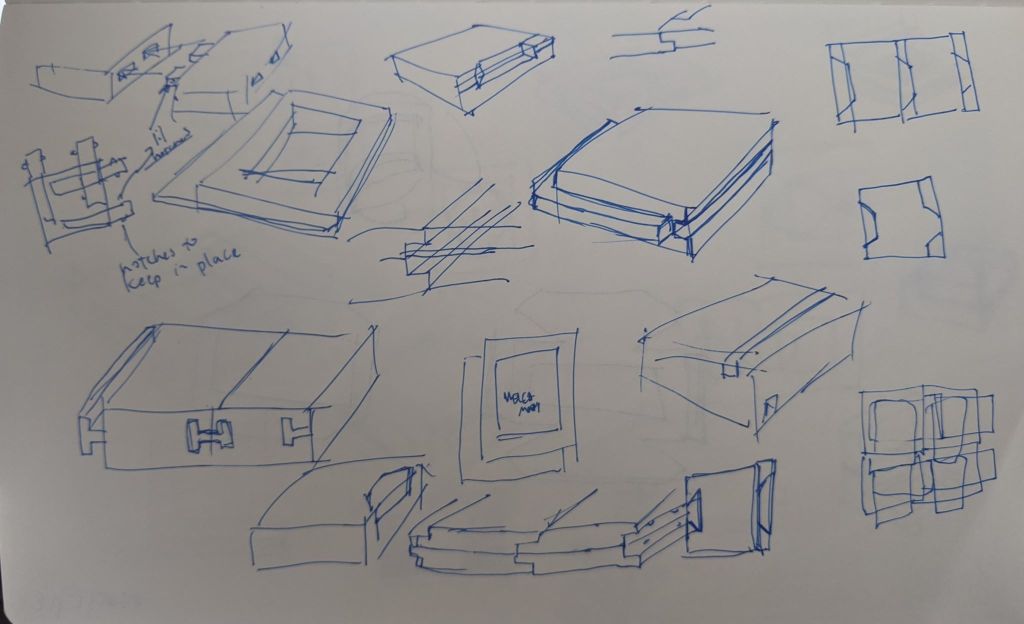
Nevertheless I did explore their original interlocking geometry as well as others in my initial sketches.
The other issue I found in the Jouer system was that the compacts can only be connected left and right. You can continually connect the compacts side to side but it’ll eventually become too long especially when the packaging is bulky to begin with. This was the other challenge I wanted to try and find a solution for. This lead me to researching tessellating shapes. I came out the other end understanding how to create shapes that tessellate instead of finding simple, suitable geometry that I could implement into the design, but the more you know right? Some bomb tessellating patterns I came across:


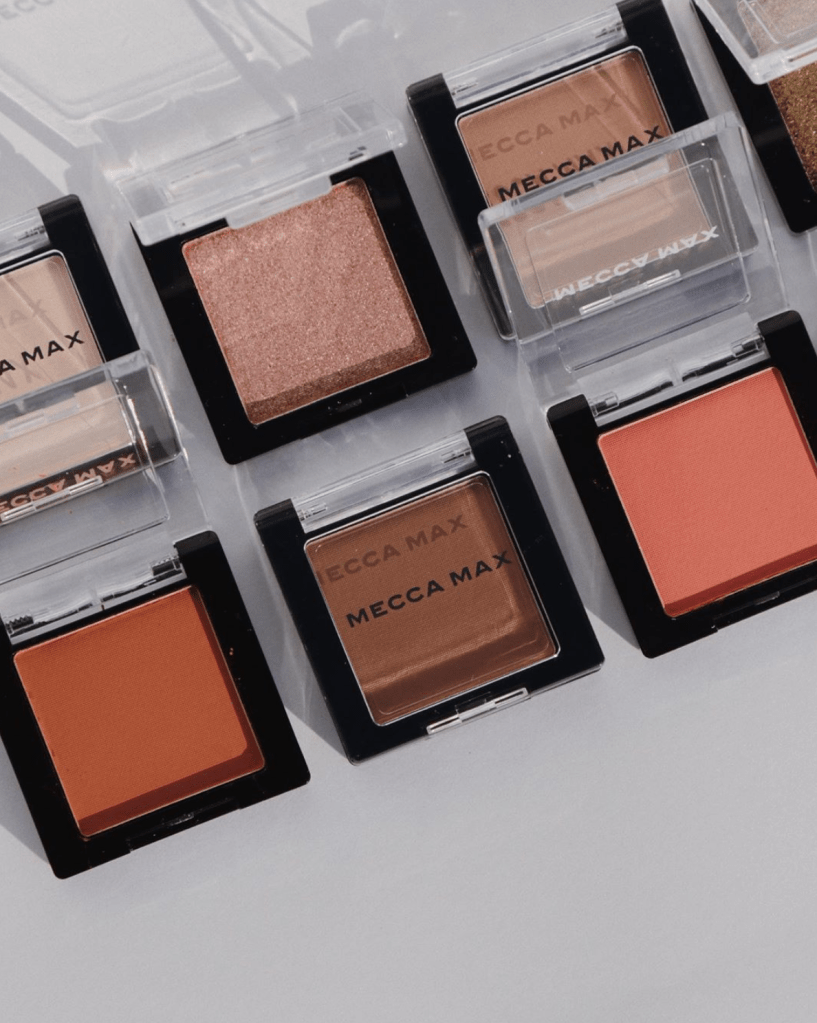
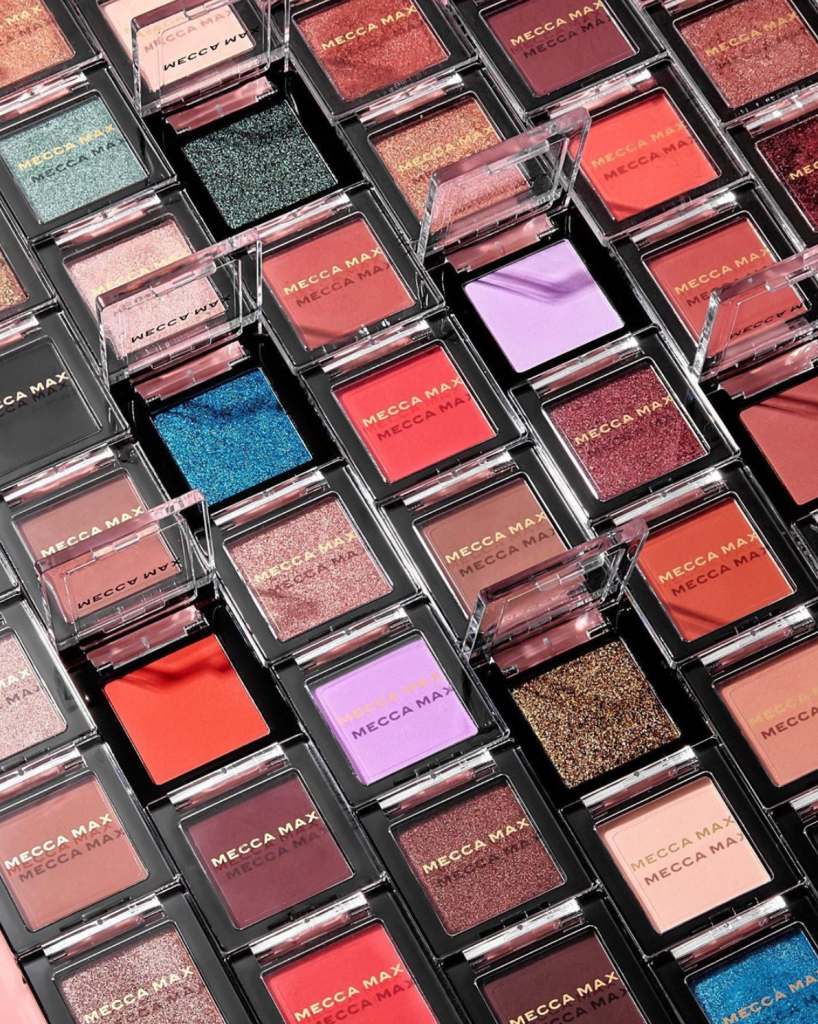
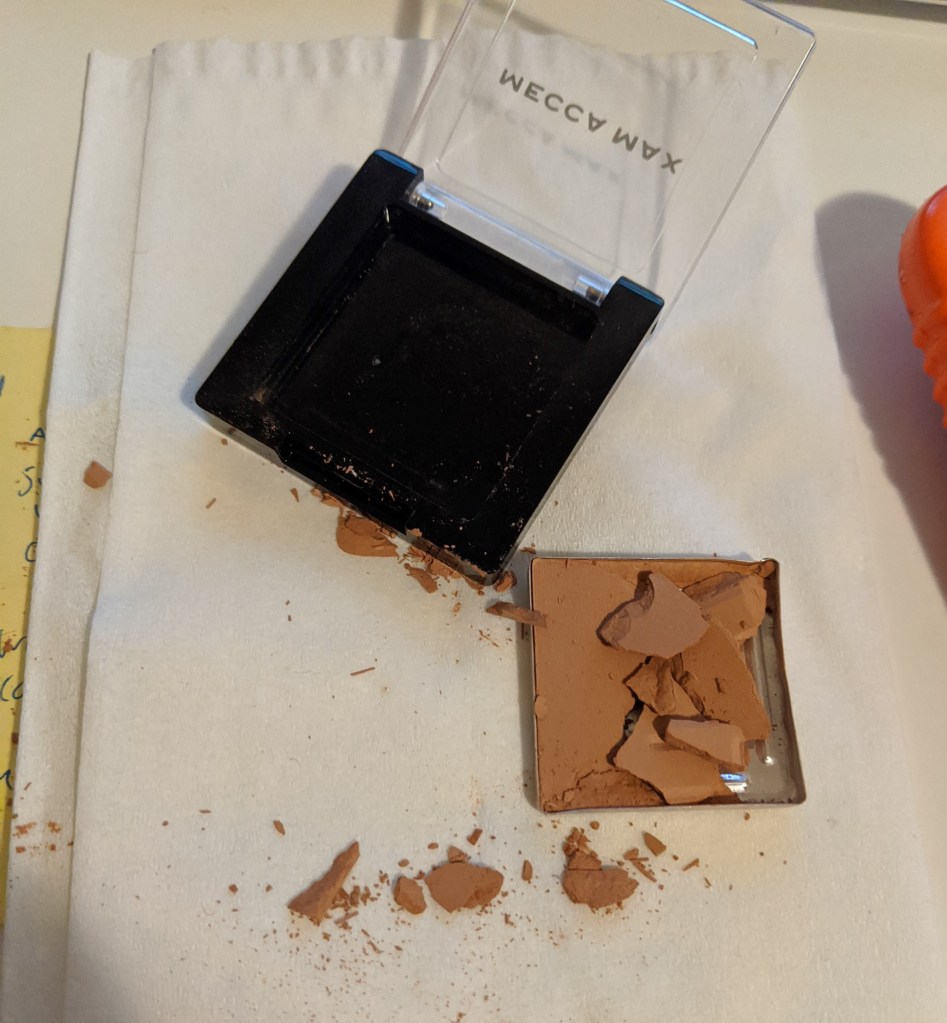
When I refocused, I started researching tiles because they tessellate, need to fit together left/right/top/bottom and usually have simple enough geometry. The reason I wanted to keep the geometry simple is because of tooling costs. The MECCA MAX shadows sell for $8 each so manufacturing costs need to be quite low and having complex geometry would increase the price of manufacturing (more on tooling and manufacturing in an upcoming post). I came across some pretty unique and beautifully designed tiles:
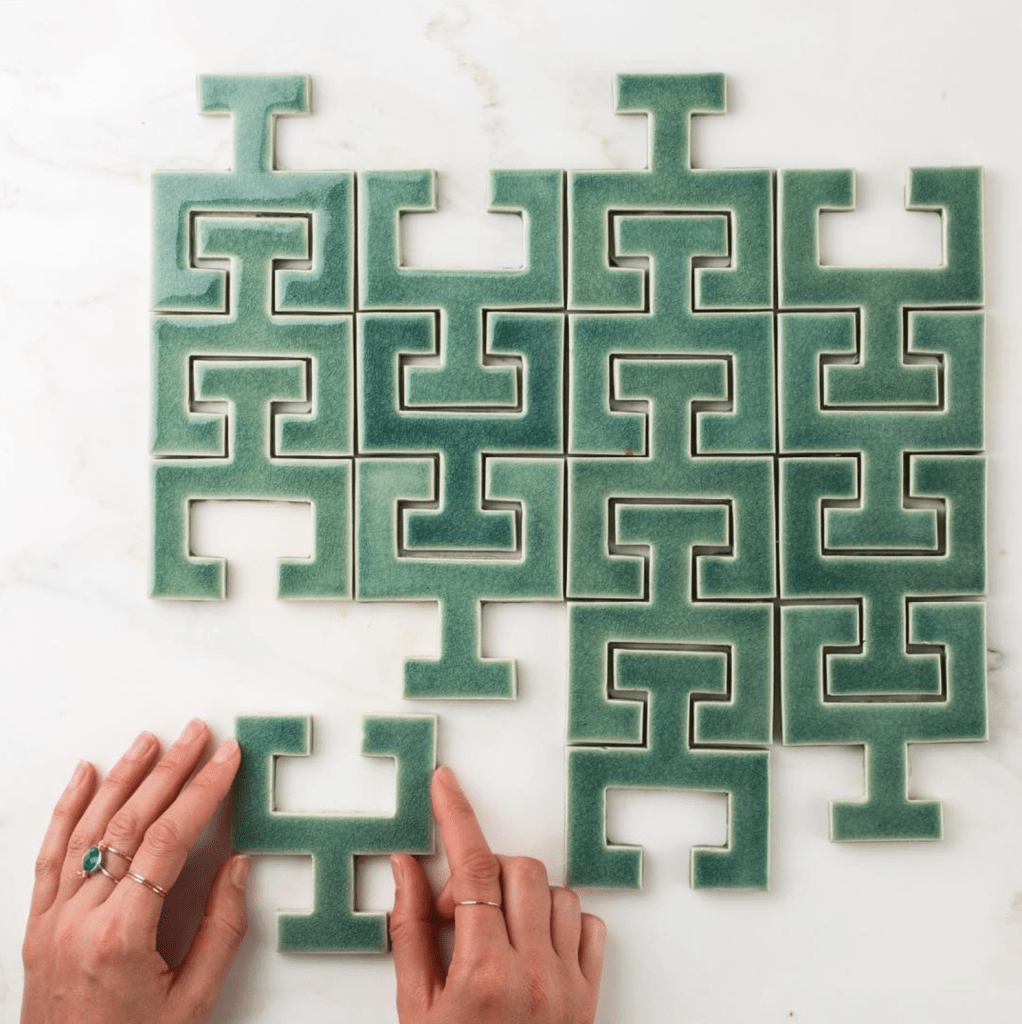
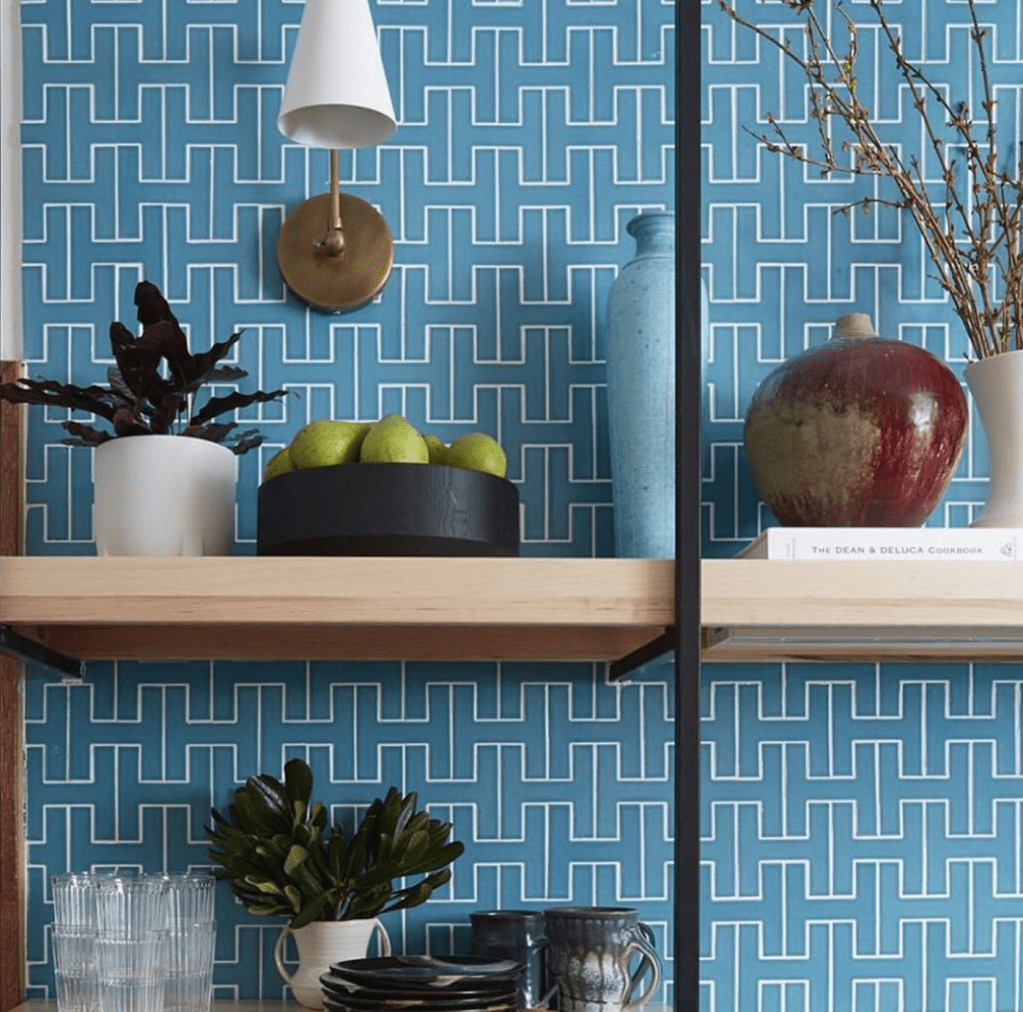
I eventually realised ’tiles’ wasn’t the correct term to be researching. This is because tiles have a backing plate (the wall, the ground) that they stick to that allows for quite complex shapes to fit together and stay together. I changed my search term to ‘interlocking tiles’ and I probably should’ve been able to guess that this is what would pop up:

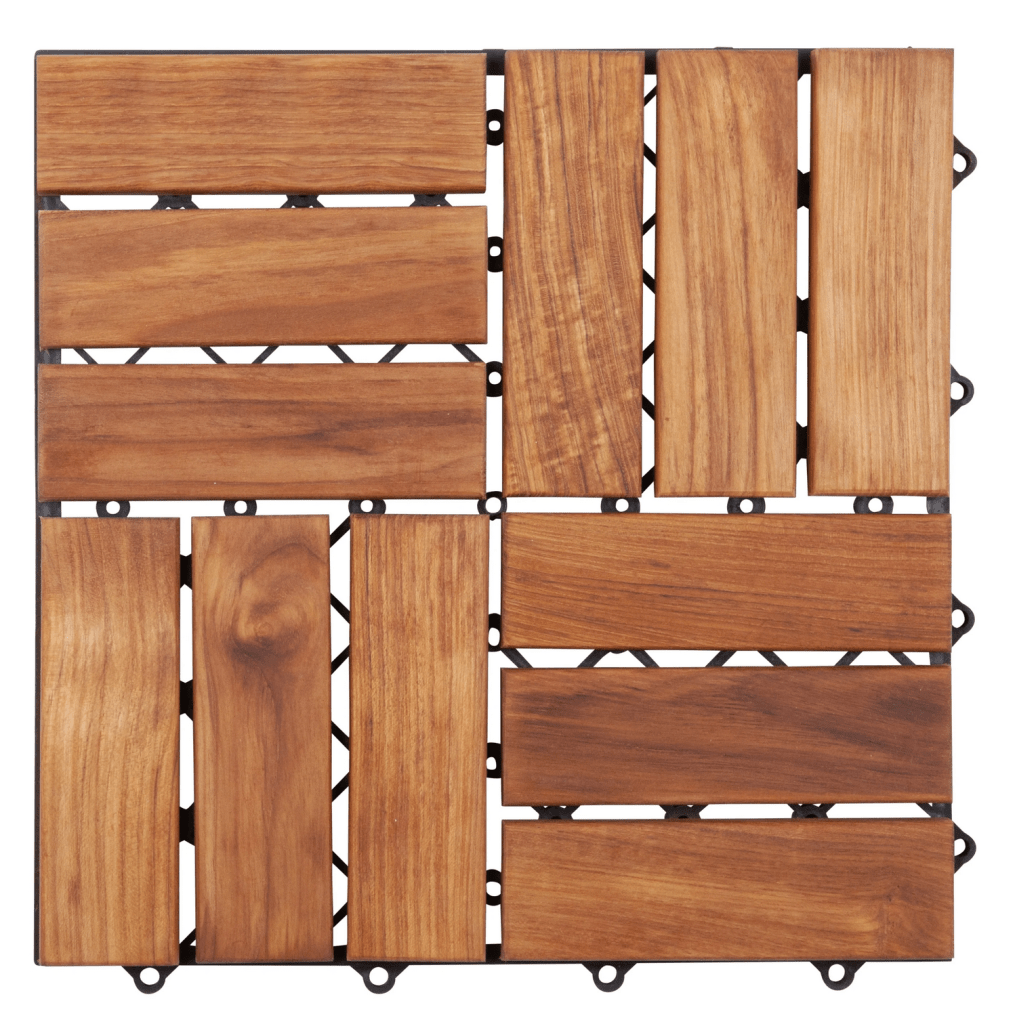
So I made it full circle back to the initial design. Regardless, I persisted with my research and eventually came across the following image in the depths (past page 1) of Google Images:

I played around with this concept and thought about how the tooling would work and finally arrived at a solution.

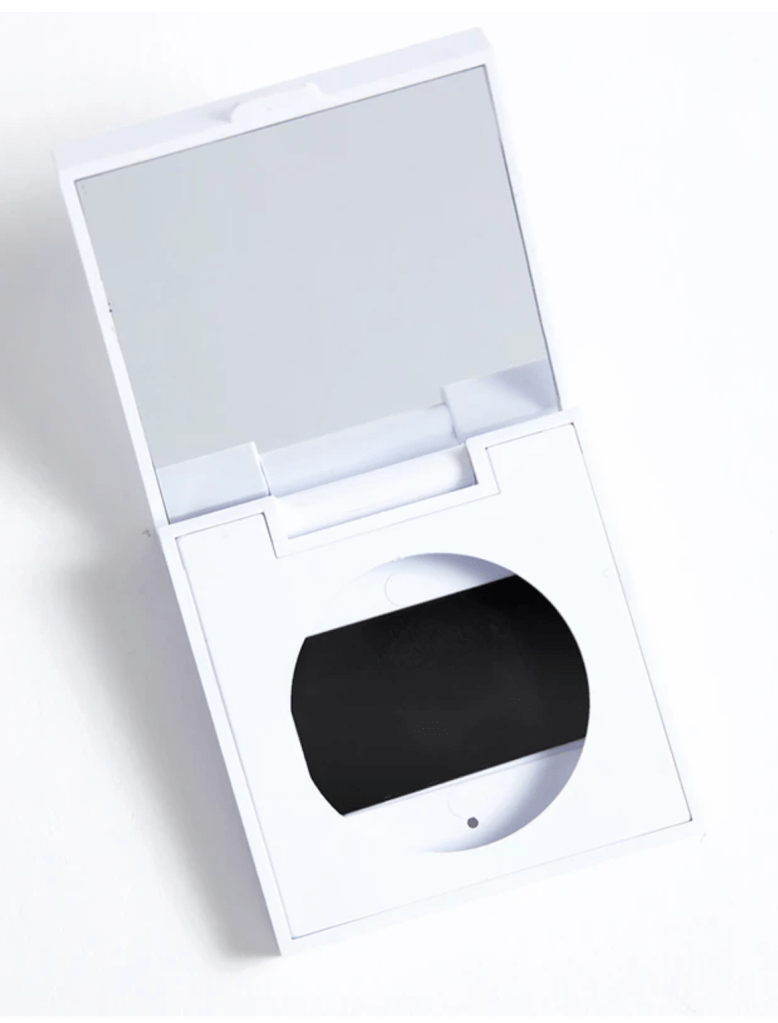
The final component I needed to design was the lid. The current MECCA MAX lid has a snap closure that extends over the side as well as a hinge that comes out the back when you open the lid. This wouldn’t work when the compacts are connected together as you wouldn’t be able to access the opening and the hinge would move the compacts. It’s the same reason the Jouer compacts couldn’t be connected up and down, only side to side.


This was a simple enough issue to fix. I had to look at repositioning the hinge and creating a way for the compact to stay closed but also being able to open it when connected together.

I’m trying to improve my sketching and I think this was a good project to start with. I also thought I did more pages of sketching but I guess not – I will try improving the diversity of my ideas and getting thought onto paper. I will also trying making these posts more succinct, they feel a bit long for the information I’m trying to get across.
Next post: breaking and making.



 1000 Dollars & A Bike